
Why your delivery sells but isn't profitable (and how to fix it)
Many restaurants grow orders on delivery apps, but their margin doesn't improve. We explain why it happens and how to turn the channel into a truly profitable unit.
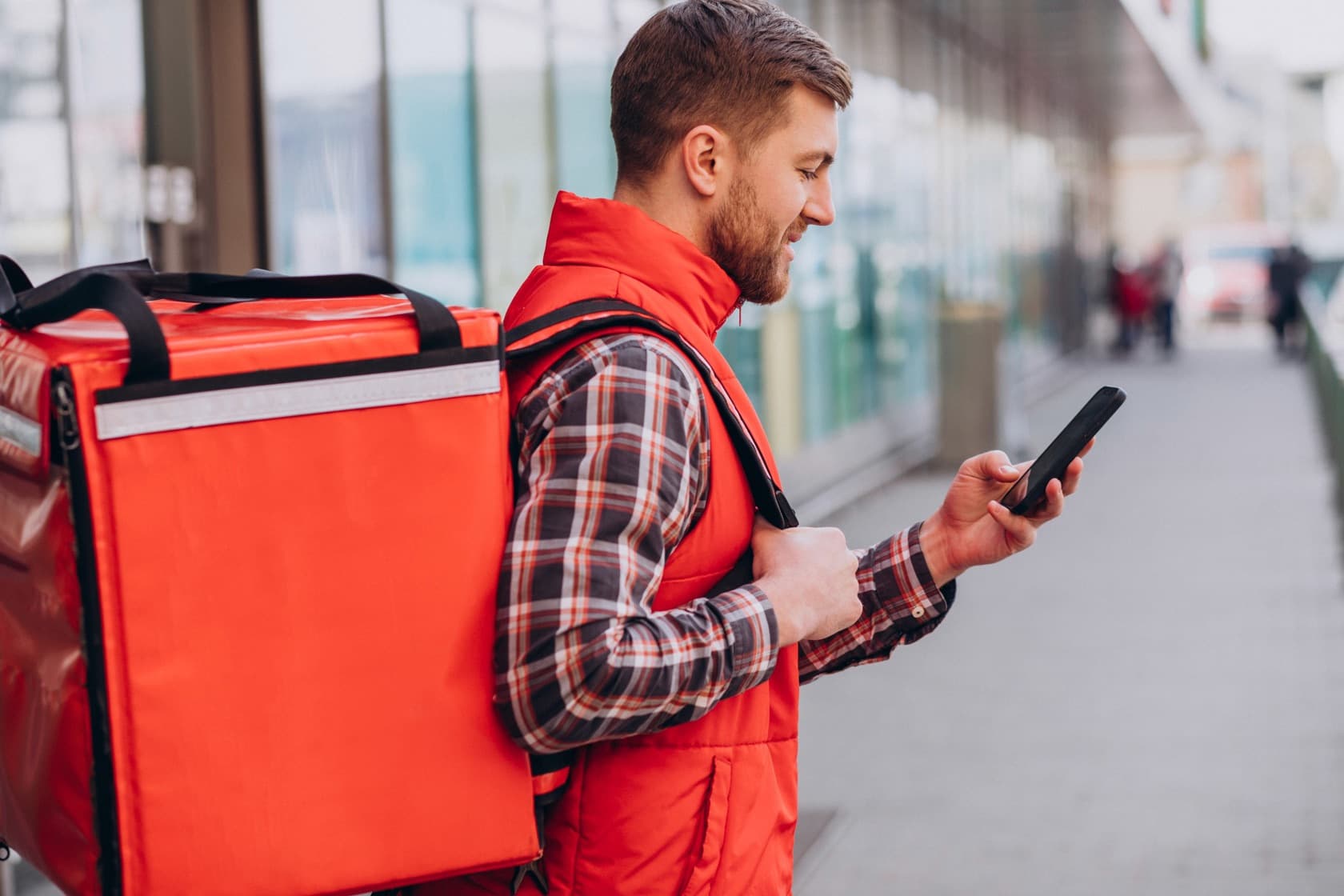
Your delivery can be growing… and losing profitability at the same time. Selling more doesn't always mean earning more.
On marketplaces it's common to see orders rise while margin dilutes between commissions, poorly designed promotions, and misaligned prices. The problem usually isn't a lack of sales, but a lack of strategic structure.
of the ticket goes to commission, before you cook.
typical margin when nobody builds a P&L per order.
good decisions without contribution data.
Illustrative example
- Food$32
- Commission$28
- Packaging & ads$12
- Promo$10
- Margin$18
Without a P&L per order, margin dilutes across commission, packaging, and promos. Every restaurant has its own structure — this is a typical snapshot, not a promise.
The most common mistake: measuring volume, not profitability
Many restaurants celebrate growth in monthly orders. But they rarely analyze the real margin per order.
Key questions almost no one asks:
- How much margin does each product leave inside the app?
- Does the promo offset the commission?
- Is the best-selling combo actually profitable?
Without this information, the channel grows in a disorganized way.
The same month
Orders (what gets celebrated)
+42%
Margin per order (what matters)
−18%
Celebrating orders while margin falls is delivery's most expensive mistake.
Promotions that boost sales but destroy margin
Apps incentivize constant discounts. The problem is that many promotions:
- Don't raise the average ticket
- Cannibalize organic sales
- Attract customers who care only about price
A strategic promotion must have a clear goal: increase margin, visibility, or acquisition. If it doesn't serve a function, it's eroding profitability.
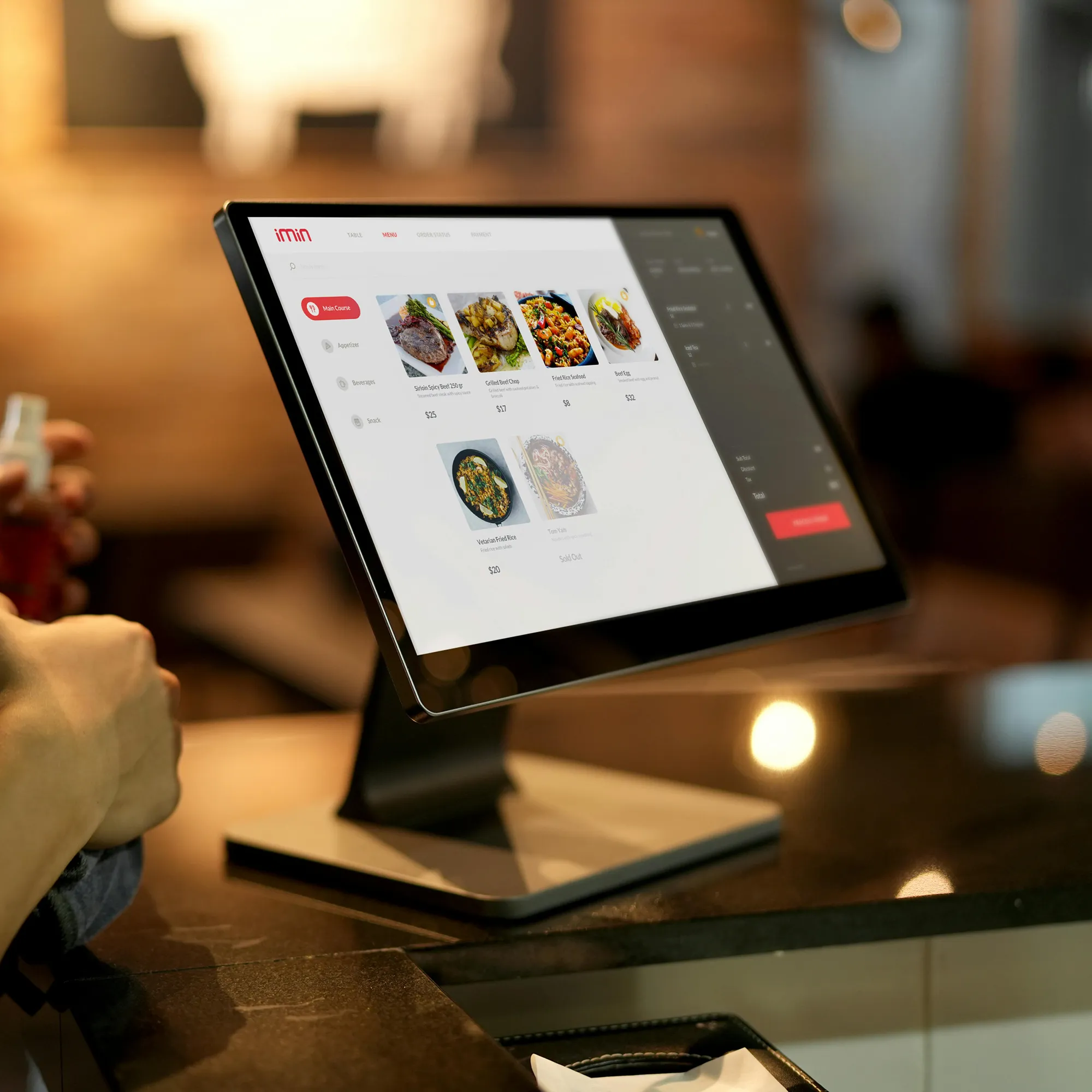
Poorly optimized menu architecture and pricing
The menu order impacts what the customer chooses. A well-run channel:
- Highlights higher-margin products
- Designs combos that raise the average ticket
- Adjusts prices based on consumer behavior
Delivery isn't just posting your physical menu on an app. It's designing a strategic digital experience.
Delivery as a business unit
When analyzed correctly, the digital channel can:
- Increase revenue
- Improve average margin
- Generate monthly predictability
But that requires daily management, data analysis, and constant adjustments. It's not automatic. It's strategic.
The goal isn't to sell more. It's to sell better.
A well-run delivery operation doesn't depend on constant discounts or the luck of the algorithm. It depends on informed decisions.
More articles
How to raise the average ticket on delivery apps (without relying on discounts)
Practical strategies to raise the average ticket and improve margin without relying on discounts.
How to professionalize the delivery channel in your restaurant (step-by-step guide)
How to structure your delivery as a profitable, scalable business unit, step by step.
Ready to apply this to your delivery?
Every article comes from real work with restaurants. Let's talk about yours.